Acquiring highly reliable testing data leaves zero room for operational doubt, making the choice between HPLC vs ion chromatography an excellent opportunity to maximize your laboratory's daily efficiency. Finding the ideal match ensures seamless data collection, as research shows these two systems complement each other's strengths to cover all your chemical bases.
At Qualitest, we want to help you capture this advantage: below is a quick breakdown showing how our ion chromatography vs HPLC setups can strengthen your workflow.
Quick Comparison: Ion Chromatography vs HPLC
| Feature | HPLC (QualiHPLC™-9100 Series) | Ion Chromatography (Quali-IC™ Series) |
|---|---|---|
| Primary Target Analytes | Neutral, polar/non-polar organic compounds (molecules) | Charged particles (anions and cations, inorganic species) |
| Separation Method | Hydrophobic interaction / polarity partition | Ion exchange (electrostatic attraction/repulsiveness) |
| Liquid Mix | Organic solvents (methanol, acetonitrile) & water mixtures | Aqueous buffers (sodium carbonate, methanesulfonic acid) |
| Detector Type | UV-Vis, Diode-Array (DAD), Mass Spectrometry (MS) | Conductivity, Amperometric, and UV-Vis Detectors |
| Best Fit | Pharmaceuticals, biochemistry, plastics, food additives | Water quality, environmental testing, power generation |
Getting a Grip on the Basics
To clarify the HPLC vs ion chromatography debate, we must first examine how these two operate at a fundamental chemical level.
HPLC (High-Performance Liquid Chromatography):
Think of this as an incredibly versatile, broadly applicable workhorse. Studies highlight that HPLC serves as a general analytical platform because it supports numerous separation modes, handling diverse chemical classes including non-polar, polar, and polymeric substances.
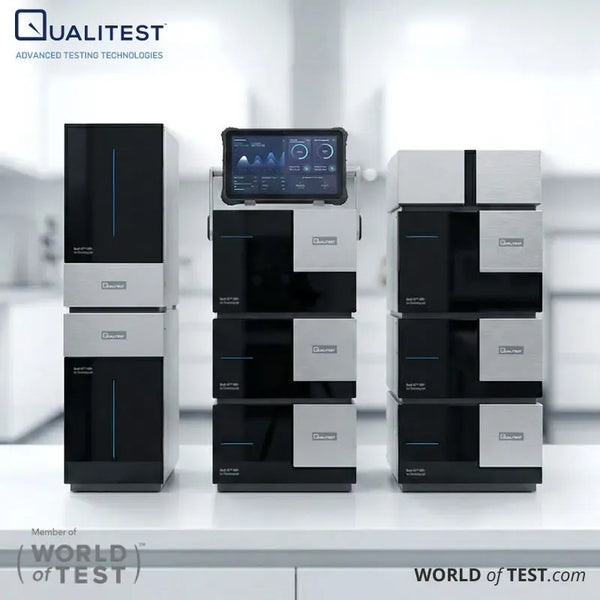
Systems like our QualiHPLC™-9100 Series rely on a high-pressure pump to push a liquid phase containing your dissolved sample through a tightly packed column of tiny solid particles. Whether running analytical flow rates of 0.001-10 mL/min or semi-preparative rates up to 70 mL/min, the different chemical structures in your sample cling to the column particles with varying levels of intensity, passing through at different rates and leaving you with a clean separation.
Ion Chromatography (IC):
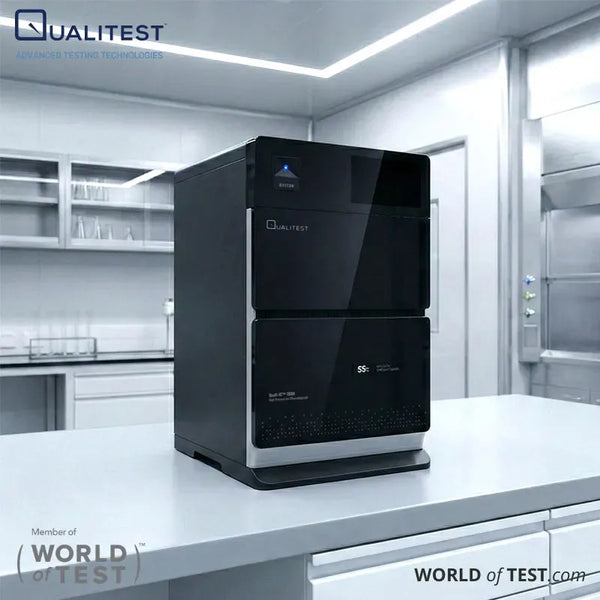
Now, IC, which you might also hear referred to as HPLC vs ion exchange chromatography, is a highly specialized variant. Instead of focusing on neutral molecules, this setup is strictly built for charged particles, meaning inorganic ions and organic anions. Instruments like our Quali-IC™ Series utilize specialized polymer-based resins acting similar to a chemical magnet, retaining or releasing those charged particles based on their electrical attraction.
To ensure maximum stability, these systems operate through entirely metal-free PEEK flow paths that safely handle eluents across the full pH 0–14 range. While this chemical selectivity is its greatest strength, it also means IC can easily lose neutral, highly polar molecules that do not participate in the ion-exchange process.
The Real Differences: HPLC vs Ion Exchange Chromatography
When you put HPLC vs ion exchange chromatography side-by-side, the real separator is all about what you are trying to pull apart.
Mobile Phases and Column Chemistry
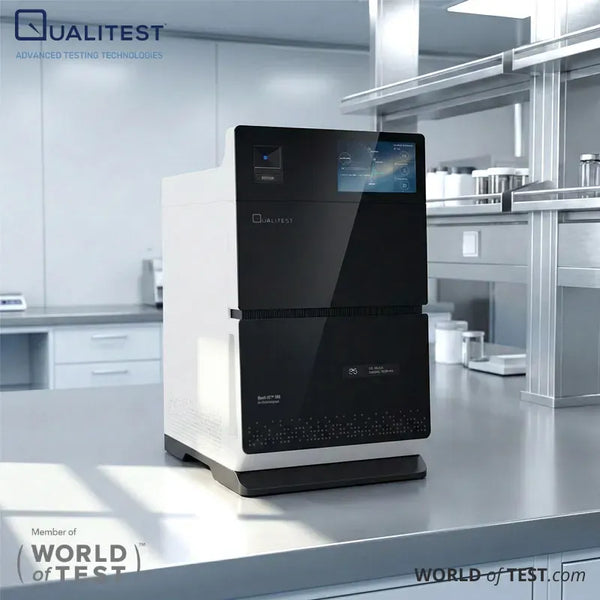
HPLC operates with high-purity organic solvent mixtures, and its columns are filled with silica-based particles. IC uses simple, water-based buffer solutions and columns packed with polymer resins. To eliminate the hassle of manual buffer mixing, advanced units like the Quali-IC™ 180 integrate a built-in eluent generator supporting KOH, NaOH, LiOH, and MSA mobile phases across a programmable 0.1 to 100 mM concentration range.
Interestingly, when scientists directly compared both systems for analyzing specific substances like citric acid or rare-earth elements, they found both instruments performed exceptionally well, proving that the right choice often depends entirely on the specific analytical situation.
Sample Preparation Workflows
HPLC requires strict sample filtration to prevent particulates from clogging the tightly packed silica columns. Furthermore, conventional reversed-phase HPLC notoriously struggles to retain very hydrophilic or highly ionized compounds, often requiring complex method development to overcome these limitations.
For IC, you still filter, but your biggest enemy is dilution. A highly salty sample will overwhelm the system unless you water it down significantly first.
Operational Efficiency and System Prep
We frequently observe that preparing samples is one of the most overlooked bottlenecks in daily lab routines. Selecting a system that simplifies chemical preparation or automates tedious steps will ultimately save your team far more time than simply chasing the fastest run-time listed on a spec sheet.
For example, utilizing the QualiHPLC™-9100 auto-sampler, which handles a wide 0.1 to 1000 µL injection range and offers optional 4-40°C refrigeration for biological samples, dramatically reduces manual intervention.
Detecting the Target Compounds
HPLC typically relies on optical detectors which perform beautifully for organic compounds that absorb light. For instance, the Dual-Wavelength UV-Vis Detector on the QualiHPLC™-9100 spans a broad 190-800 nm detection range with an impressive ±0.1 nm wavelength accuracy. IC utilizes conductivity detection to track charged particles.
Related article: Tips on How to Choose IC Detector Models for Testing
Since ions naturally carry a charge, measuring how they conduct electricity as they flow through the detector is the absolute most reliable way to quantify them. Our Quali-IC™ 500+ (Multi-functional) takes this further with a multi-detector suite featuring conductivity, amperometric, and UV-Vis detection, boasting an amperometric signal range of 10 pA to 200 µA.
The Real-World Matchup: Which One Fits Your Bench?
So, which configuration belongs on your laboratory benchtop?
HPLC is generally the ideal choice for:
- Medicines and Drugs: Ensuring every tablet contains the exact correct dose of active chemical ingredients to meet strict United States Pharmacopeia (USP) standards and FDA testing requirements. Reviews consistently describe HPLC as the standard for reproducible, sensitive quantitative separations across pharmaceutical and biomedical settings.
- Biological Components: Splitting up proteins, peptides, and giant organic chain-molecules. (Ion-exchange HPLC is particularly effective for peptide purification, offering high resolving capacity and short separation times).
- Food and Beverages: Spotting chemical preservatives, sweetening agents, and vitamins in processed foods.
Ion Chromatography is generally preferred for:
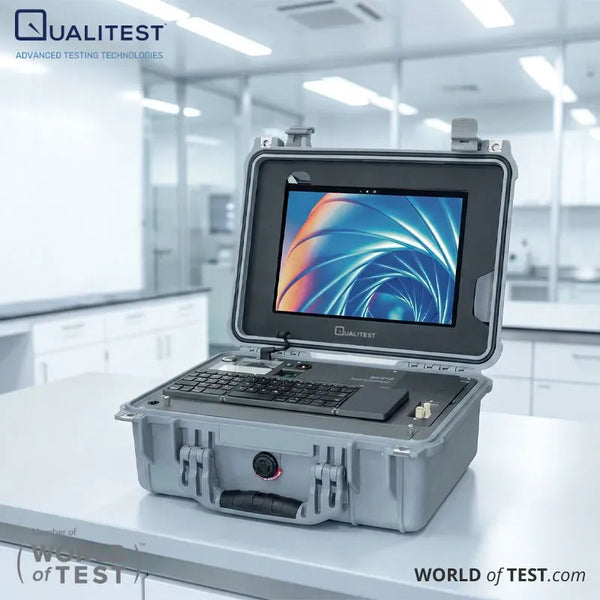
- Ecological Testing: Scanning drinking water, industrial runoff, and soil for trace heavy metals or dangerous inorganic anions. For facilities testing US drinking water, this is the standard setup for complying with US EPA regulations like EPA Method 300.0 for measuring inorganic anions. For environmental technicians needing immediate data, the portable Quali-IC™ 80 allows for on-site field use. Weighing under 9 kg with a dual-piston serial pump reaching 42 MPa and a hot-swappable UPS, it is ideal for remote water screening.
- Power Generation Facilities: Checking that the water running through steam turbines is completely clean of corrosive mineral salts.
- Silicon Chip Manufacturing: Making sure the ultra-pure water used to wash microprocessors is so clean it will not leave a single microscopic trace.
Related article: Guide to Portable vs Benchtop Ion Chromatography
The Smart Lab Setup: Why You Might Actually Need Both
We are going to be direct here. Trying to force a standard HPLC system to handle purely ionic analysis is a highly frustrating task. Anyone who has tried to configure an organic HPLC system to run inorganic anions knows exactly the struggle we are talking about.
Attempting to adapt a standard HPLC for ionic testing rarely makes sense from an operational perspective. Recent environmental screening studies confirm that no single platform covers all chemical compounds effectively.
For instance, reversed-phase liquid chromatography handles about ninety percent of less-polar analytes, whereas IC covers under thirty percent in that specific range, yet standard HPLC completely misses highly polar contaminants.
If your facility manufactures complex materials, examining only organic or inorganic compounds creates an unnecessary blind spot. We believe that running both systems side-by-side, rather than attempting a compromise with a single unit, is the most reliable way to obtain a complete chemical profile.
For high-volume labs requiring maximum data output, instruments like the Quali-IC™ 180H feature a massive 45 MPa high-pressure pumping system for high-resolution separation. Combining chromatographic approaches extends your analytical capabilities far better than attempting to choose one ultimate winner.
Total Cost of Ownership (TCO) & Consumables
For financial decision-makers, comparing ion chromatography vs HPLC requires looking far beyond the initial purchase price. It is essential to account for the operational expenses that pile up week after week.
- HPLC systems require a steady supply of high-purity organic solvents. These chemicals are costly to purchase, and because of their chemical waste status, disposal fees represent a significant ongoing operating expense, especially when adhering to strict US EPA (RCRA) regulations for hazardous waste removal.
- IC operates primarily with water-based buffer solutions, which are highly cost-effective to prepare. However, specialized polymer columns and electrochemical suppressors are premium components that require periodic replacement.
- Our Perspective: We frequently see laboratories overlook the long-term cost of organic chemical disposal. We strongly suggest factoring these waste management expenses into your financial models early on to avoid budget discrepancies down the road.
The Screens and Buttons: Software and Automation
Hardware capability is only one piece of the puzzle. Whether you select HPLC vs ion chromatography, automated sampling mechanisms that process large batches of vials continuously are critical for running unattended sequences overnight.
Additionally, you need software programs that integrate cleanly with your laboratory information systems and fully support mandatory US Food and Drug Administration rules for electronic records.
Our view is straightforward. An incredibly precise instrument becomes an operational bottleneck if the software interface is overly complicated. Confusing control systems frequently lead to user errors. The ideal platform should be highly functional yet straightforward, allowing your technicians to program complex sequences easily.
For example, the Chromatography Workstation Software paired with the QualiHPLC™-9100 includes one-click backups, time-programmed control, and strict compliance security for FDA 21 CFR Part 11 electronic records, providing peace of mind without requiring extensive specialized software training.
Qualitest Chromatography: Upgrade Your Lab Today
Purchasing analytical machinery represents a major financial commitment, which is why we supply highly dependable systems that generate consistent data without draining your budget. When you team up with us, we support your laboratory long-term with responsive regional technicians, smooth installation, comprehensive warranties, and practical hands-on training to get your operators moving quickly.
- If you need to measure organic compounds with a system built to last, check out our reliable QualiHPLC™-9100 Series setups.
- If your day consists of testing water or identifying inorganic ions, take a look at our precise Quali-IC™ series Ion Chromatographs made to slip right into your daily routine.
Let’s figure out the ideal fit for your countertop. Drop our product specialists a line at Qualitest, and we will happily assist you in finding a setup that matches your exact chemical requirements and financial bottom line.
References (Click to expand)
- Bahr-Lindström, H., Moberg, U., Sjödahl, J., & Jörnvall, H. (1982). Ion-exchange high-performance liquid-chromatography steps in peptide purifications. Bioscience Reports, 2, 803-811.
- Fukushima, T., Koishi, M., Sakamoto, T., & Onozato, M. (2024). Use of Commercial Mixed-Mode Stationary Phases and Sorbents in the High-Performance Liquid Chromatography Analysis and Solid-Phase Extraction of Ionized and Hydrophilic Bioactive Compounds. Molecules, 29.
- Gupta, M., Ghuge, A., Parab, M., Al-Refaei, Y., Khandare, A., Dand, N., & Waghmare, N. (2022). A comparative review on High-Performance Liquid Chromatography (HPLC), Ultra Performance Liquid Chromatography (UPLC) & High-Performance Thin Layer Chromatography (HPTLC) with current updates. Current Issues in Pharmacy and Medical Sciences, 35, 224-228.
- Hui-Jua, Z. (2013). Comparison of high performance liquid chromatography and ion chromatography in determination of citric acid. Chinese Journal of Health Laboratory Technology.
- Hussen, A. A. (2022). High-Performance Liquid Chromatography (HPLC): A review. Annals of Advances in Chemistry.
- Robards, K., & Ryan, D. (2022). High performance liquid chromatography: Separations. Principles and Practice of Modern Chromatographic Methods.
- Siddique, I. (2024). Unveiling the Power of High-Performance Liquid Chromatography: Techniques, Applications, and Innovations. SSRN Electronic Journal.
- Spoorthy, N. (2016). A Review on High Performance Liquid Chromatography. Research & Reviews: Journal of Pharmaceutics and Nanotechnology, 1-10.
- Tomlinson, E., Jefferies, T., & Riley, C. (1978). Ion-pair high-performance liquid chromatography. Journal of Chromatography A, 159, 315-358.
- Verma, S., & Santoyo, E. (2007). High‐Performance Liquid and Ion Chromatography: Separation and Quantification Analytical Techniques for Rare Earth Elements. Geostandards and Geoanalytical Research, 31.
- Zweigle, J., Schlüsener, M., Flottmann, J., Bader, T., Vidkjær, N. H., Bollmann, U., Christensen, J. H., & Tisler, S. (2025). Not One Method to Rule Them All: A Comparative Study of Chromatographic Platforms (RP-LC, HILIC, SFC, and IC-HRMS) for Water Analysis. Analytical Chemistry, 97, 25099-25110.