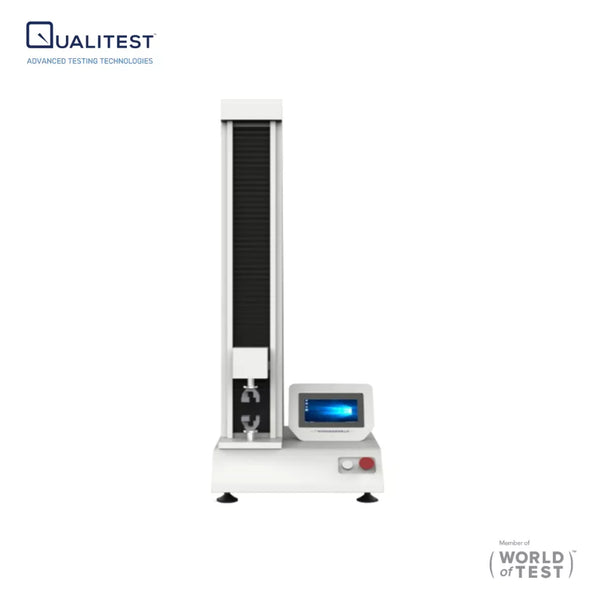
Choosing the right setup is a massive win for your lab’s efficiency and your bottom line.
For North American teams, picking between an electromechanical vs hydraulic UTM is the smartest way to level up your testing capabilities. Both technologies are top-tier, and we believe finding the perfect fit is the secret to a high-performing, hassle-free floor that delivers results you can trust every single time.
The choice between these systems depends heavily on your required load capacity, precision needs, budget, and maintenance plans.
Quick Comparison: Technical Specifications
For a quick overview, here is a visual breakdown of the two technologies:
| Feature | Electromechanical UTMs | Hydraulic UTMs |
|---|---|---|
| Best Force Range | Small to Medium (Up to 300 kN) | Massive to Humongous (300 kN to 2,000+ kN) |
| What You’re Testing | Plastics, textiles, thin metals | Heavy steel, concrete, structural beams |
| Where it Stops | Spot-on every single time | Good, but built for raw muscle |
| Electricity Bill | Lean and green (only pulls current when moving) | A bit hungrier (pumps stay running) |
| Space Needed | Small and tidy | Large and needs a separate oil pack |
| Fix-it Focus | Just a bit of grease and checking the numbers | Checking oil, changing filters, and fixing seals |
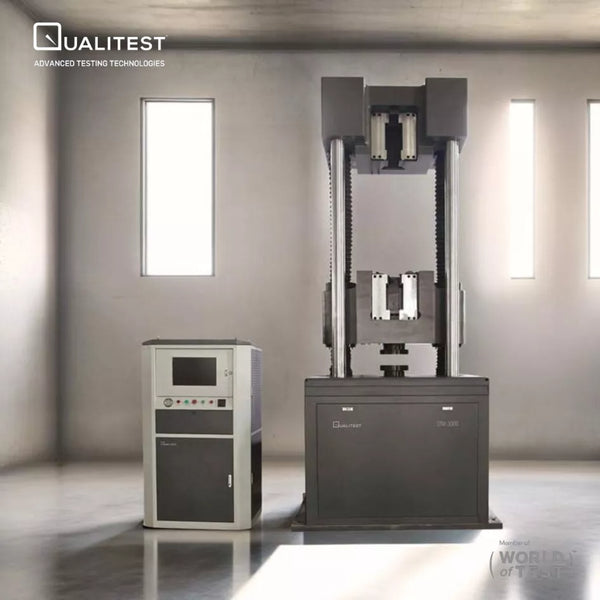
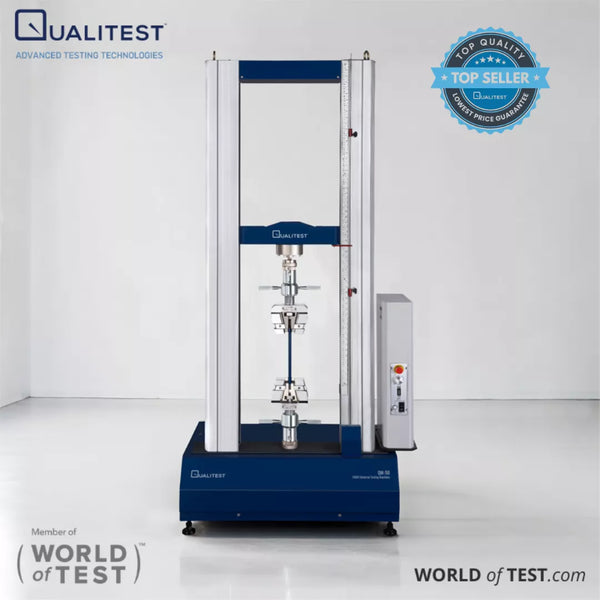
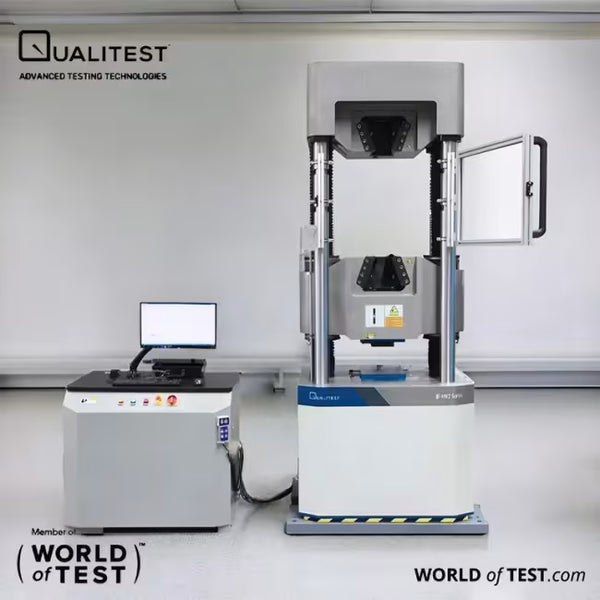
| Top Qualitest Models | QM-50 Series, QE-Series, QTens-I Benchtop | QT-HW2 Servo, QM 100-600kN, QTM-3000 |
Let’s break down the guts, the perks, and the perfect places for these two heavy hitters.
Electromechanical UTM Systems: Technical Overview
These setups run on a highly responsive electric motor, a bunch of gears, and those sharply focused lead screws that move the head up and down. This mechanical setup gives you incredible control over how fast the machine moves and exactly where it stops.
These machines are often preferred for laboratory-scale or specialized material tests due to their flexibility and automation potential.
Performance Highlights
- Dead-On Accuracy: These setups are exceptionally precise regarding speed and head placement. They are the perfect fit for checks that need you to follow those super-slow or touchy pull-rates.
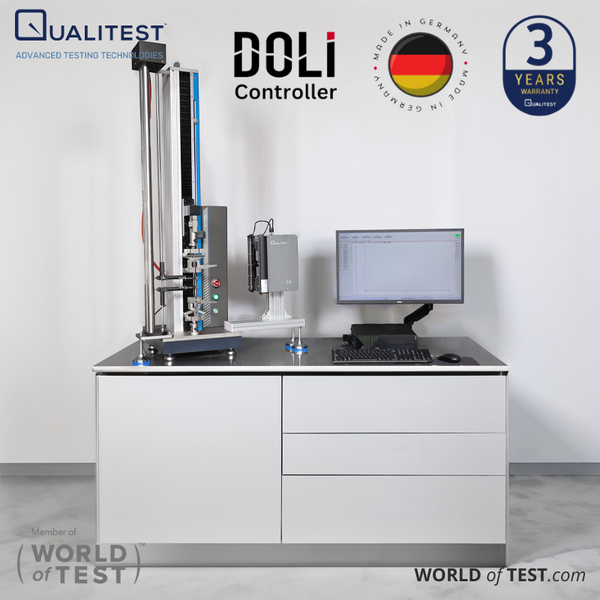
- Do-It-All Versatility: Because they give you such tight control over a massive range of speeds, these machines are a total dream for testing plastics, stretchy rubber, or thin bits of metal. This is exactly where systems like our QM-50 Series 50kN Universal Testing Machine shine. Research shows they are particularly well-suited for micro or thin material testing.
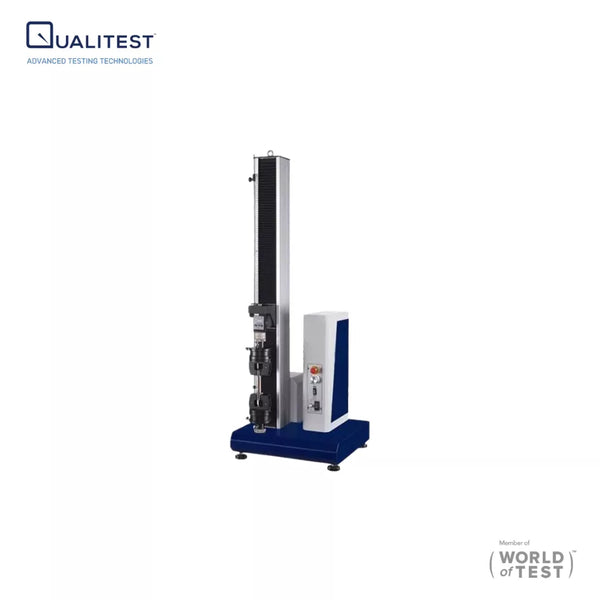
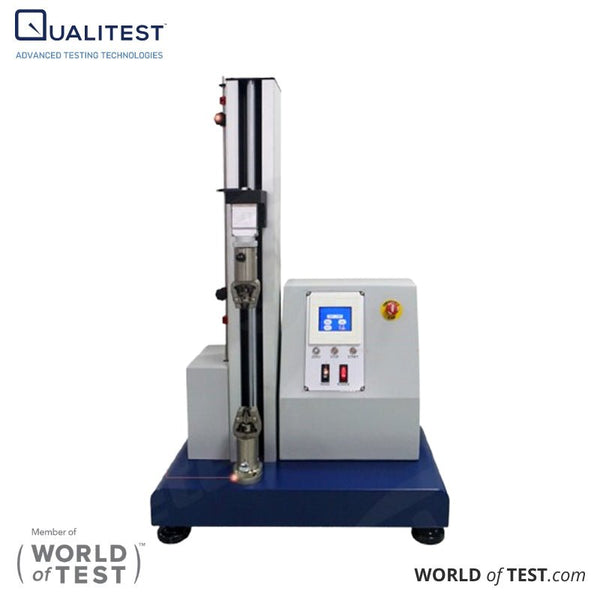
- Clean and Satisfyingly Silent: Since you don't have to deal with messy oil or loud pumps, these testers stay quiet. We consider this a significant win for those modern lab spaces where cleanliness is a priority. A compact option like the QTens-I Custom Benchtop Tensile Testing Machine fits right onto a desk without rattling the whole room.
- Real-World Example: Think about testing soft, stretchable materials for soft robotics. Recent developments emphasize using these setups for affordable yet reliable testing of stretchable sensors. An electric-driven system handles that smooth stretch effortlessly.
Hydraulic Tensile Testers: High-Force Performance
These heavy-duty hydraulic workhorses work by using a high-pressure fluid system. A motor kicks a pump into gear, pushing oil into a giant piston that moves the head to put the squeeze on your samples.
For a long time, these have been the undisputed kings of the heavy-metal industry.
Related article: Yield Strength vs. Tensile Strength: What’s the Difference?
Performance Highlights
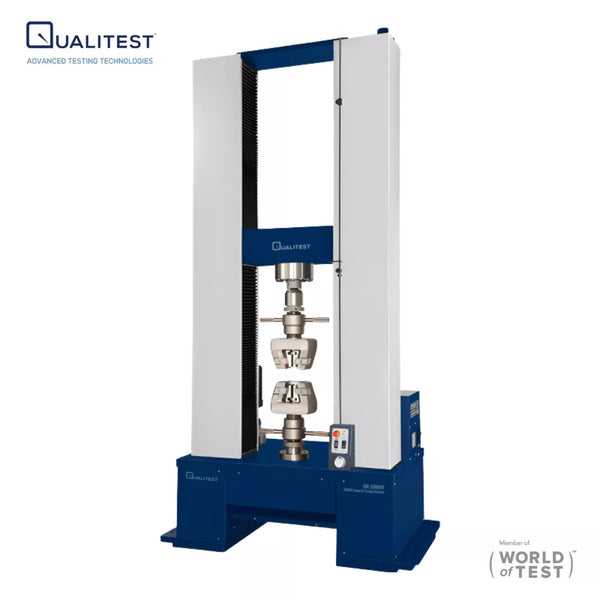
- Total Brute Force: When you’re doing heavy-lifting tests, usually way over 300 kN, these machines are the only way to go. They easily crank out the massive muscle needed to snap thick steel bars or concrete slabs. If you need that kind of muscle, the QT-HW2 Servo Hydraulic Universal Testing Machine is the exact workhorse you want on your floor.
- Way Better Value for Heavy Pulls: Trying to build an electric screw setup to pull a million pounds is possible, but the price tag would be sky-high. In our view, these oil-driven systems are the most sensible money choice once you start testing the really big stuff. They offer high force capacity (up to 60 tons) and precise control of stress and strain rates for strong loads.
- Built Like a Tank: These machines are incredibly sturdy. We often see people choosing these in gritty factory settings where the machine has to survive the violent, explosive release of strength that happens when thick metal finally snaps.
- Real-World Example: Consider a facility testing structural I-beams for a new skyscraper. When that massive chunk of steel finally reaches its breaking point, the explosive snap would rattle a lesser machine to pieces. A heavy-duty frame eats that shockwave for breakfast. We point facilities facing these extreme conditions toward absolute monsters like the QTM-3000: 3000 kN Universal Testing Machine.
Comparative Analysis: Key Decision Factors
When you put hydraulic vs electromechanical tensile testers in a ring together, the winner depends on what you’re actually doing every day. Let’s look at the real-life trade-offs.
1. Muscle and Reach
If your shop is mostly snapping lighter materials, like medical-grade silicone tubing or composite car panels, an electric-driven setup is what we’d suggest. But if your daily life involves crushing construction-grade rebar for high-rise buildings, we honestly believe an oil-driven tester is the only smart move.
Related article: Tensile Testing vs. Compression Testing Comparison
2. Speed and Being Precise
In the big fight of electromechanical vs hydraulic tensile testers, the electric ones win for being smooth and steady over long distances. While the newer oil-driven machines have gotten a lot better, we still think the electric ones feel way more controlled when you’re dealing with highly delicate materials, like micro-wires or ultra-thin packaging films.
Related article: Tensile Test Grips Guide: Selection & Practices
3. Floor Space and Energy Efficiency
The folks running the building have to think about where this thing sits and how much electricity it eats. Electric machines are generally great at saving electricity. The oil-driven ones, though, usually need a separate unit for the pump.
In our eyes, giving up that extra floor space is only worth it if you absolutely need that heavy-duty strength.
4. Maintenance and Total Cost of Ownership
Maintenance is the part that sneaks up on you. We always tell labs to think about the "hidden" headaches of oil setups, such as oil disposal and the need for cleaner environments to prevent fluid sensitivity.
Electromechanical systems often provide advantages in portability and simpler maintenance. Modern automation using Human Machine Interfaces (HMI) has also made these machines much more user-friendly.
Industry Applications and Use Cases
Let’s look at a couple of typical scenarios to see how this plays out on the actual floor.
Scenario A: The Auto-Parts Manufacturer
A factory stamping out plastic dashboard clips and rubber door seals needs to run hundreds of quick, low-force tests every single day. They need strict speed control and a quiet machine because it sits right next to the office desks.
An electric setup like our QE-Series Single-Column Universal Testing Machines handles this light-duty repetition flawlessly.
Related article: Comparing Single Column vs Dual Column UTM
Scenario B: The Concrete Supplier
A yard pouring heavy-duty concrete cylinders for highway overpasses doesn't care about delicate, ultra-slow pulling. They need to crush those cylinders with hundreds of thousands of pounds of force to prove they won't crack under heavy loads.
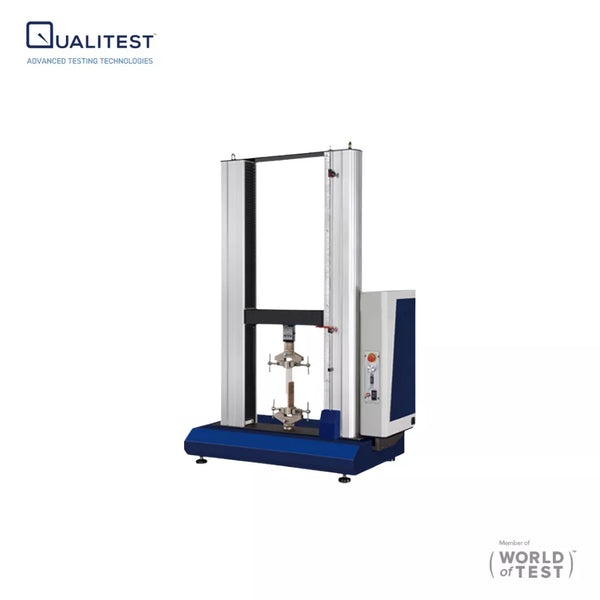
A hydraulic beast is the only sensible tool for that kind of heavy lifting, which is the exact territory where our QM 100-600kN Universal Mechanical Testing Machines earn their keep.
Selecting the Right Solution for Your Facility
Finding the exact right UTM means taking a hard look at your daily operational needs and the strict rules you have to follow. We see hitting these marks as the baseline for any lab that actually cares about giving accurate answers.
Before signing that purchase order, we highly recommend running through this quick checklist:
- Strict Industry Rules: Are you strictly pulling metal according to ASTM E8, or checking out plastics under ASTM D638? Your standard often makes the decision for you.
- Future Material Lineups: Are you planning to add heavier, thicker materials to your catalog next year? Always buy a frame that handles a bit more strain than your current daily max.
- Physical Floor Space: Do you have the extra square footage for an external oil pump, or do you need a tidy, desk-friendly unit?
- Long-Term Chores: Factor in the monthly electricity bill and the routine maintenance headaches, rather than just staring at the upfront sticker price.
If you want a setup that’s clean, quiet, and highly adaptable, an electromechanical model is the smart route. If you need sheer, raw muscle and a frame that can survive a daily beating, we are certain an oil-driven system will be your absolute best friend.
Related article: Extensometer Guide: Contact vs Non Contact Systems
Optimizing Your Lab with Qualitest
At Qualitest, we know the right gear is what makes your lab a winner.
Based in North America, we offer dependable machines without the inflated price tags. Whether you need an electric screw setup or an oil-driven beast, our budget-friendly line hits every international standard. We truly believe top-tier testing gear shouldn't cost a fortune. We’re here to help you find the perfect match for your tests and your budget.
Take a look at our full family of high-end, smartly priced systems right here: Qualitest Universal Testing Machines
References:
- Homon, S., Dovbenko, T., Matviiuk, O., Vereshko, O., Kulakovskyi, L., & Chornomaz, N. (2021). ANALYSIS OF TEST EQUIPMENT FOR INVESTIGATION OF MATERIALS UNDER A STRONG LOAD APPLICATION. Urban development and spatial planning.
- Patil, A., & Patil, S. (2015). Automation of Universal Testing machine using Human Machine Interface (HMI). International Journal on Recent and Innovation Trends in Computing and Communication, 3, 401-403.
- Rizal, M., Aulia, U., & Yudiansyah, R. (2023). Development of a Portable Universal Testing Machine for Investigating the Mechanical Properties of Medium-Strength Materials. Aceh International Journal of Science and Technology.
- Saritha, G., Iswarya, T., Keerthana, D., & Baig, A. (2023). Micro universal testing machine system for material property measurement. Materials Today: Proceedings.
- Singh, M. (2022). Development of a portable Universal Testing Machine (UTM) compatible with 3D laser-confocal microscope for thin materials. Advances in Industrial and Manufacturing Engineering.
- Sutisna, N. (2021). Rancang Bangun Mesin Uji Universal Untuk Pengujian Tarik dan Tekuk Bertenaga Hidrolik. Journal of Mechanical Engineering and Mechatronics.
- Wiranata, A., Premiaji, W., Kartika, W., Febrinawarta, B., Mao, Z., Ariyadi, H., Aisyah, N., Putra, R., Mangunkusumo, K., & Muflikhun, M. (2024). Economically viable electromechanical tensile testing equipment for stretchable sensor assessment. HardwareX, 19.
- Wiranata, A., Ohsugi, Y., Minaminosono, A., Kuwajima, Y., & Maeda, S. (2022). Electromechanical tensile test equipment for stretchable conductive materials. HardwareX, 11.