What if you could consistently hit trace-level testing targets without overcomplicating your hardware setup?
Selecting your detection equipment is an excellent opportunity to optimize your entire chemical analysis system. Gaining a firm handle on how to choose ion chromatography detector setups is the key to achieving exceptionally stable background readings, repeatable output numbers, and seamless regulatory compliance.
This guide outlines exactly how to choose ic detector modules that satisfy strict federal rules while protecting your operational budget.
Hardware Selection Matrix
For busy procurement teams and laboratory directors, use this quick reference chart to map your industry needs to the right technology before reading the detailed breakdowns.
| Detector Category | Best Industry Matches | Target Compounds Identified | Featured Qualitest Systems |
|---|---|---|---|
| Conductivity (CD) | Water Testing, Agriculture, Environmental Testing Labs | Routine inorganic anions and cations | Quali-IC™ 180H, Quali-IC™ 300+, Quali-IC™ 80 |
| Amperometric (AD) | Food Production, Beverage Manufacturing, Pharma Labs | Electroactive analytes like sugars, cyanides, sulfides | Quali-IC™ 200, Quali-IC™ 500+ |
| UV/Vis & Fluorescence | Oil Refineries, Specialty Chemical Plants | Analytes with natural chromophores or post-column derivatization | Quali-IC™ 500+ |
| MS / ICP-MS (with Automated Combustion) | Trace Analysis Labs, Complex Liquid Mixture Processing | Trace elements, incredibly low-level targets like phosphonic acid | Quali-IC™ 3200 (Online) |
Regulatory Compliance and Precision
The detection module is essentially the analytical eyes of your whole analysis rig. Once your separation column splits up the complex liquid mixture, the detector has to identify exactly what is inside and calculate the precise numerical amounts. The correct setup gives you insanely stable background readings, repeatable output numbers, and zero fuzzy signals.
Even more importantly, your detection module decides if you stay out of trouble with strict regulatory bodies. For example, municipal water facilities operating across the United States are currently facing incredibly strict EPA regulations regarding ultra-low testing limits for PFAS (those notoriously stubborn forever chemicals), while pharmaceutical producers consistently rely on highly specific United States Pharmacopeia (USP) monographs.
Figuring out exactly how to choose ic detector hardware that satisfies these rigid rules is the absolute difference between smooth daily operations and a massive headache during surprise federal inspections.
Aligning Modules with Target Analytes
The main step in evaluating how to choose ion chromatography detector systems is deeply analyzing what your technicians actually test on a daily basis. You absolutely must start with the physical properties of the target chemical.
1. Conductivity Detection (CD)
This is the classic, go-to configuration the vast majority of testing facilities confidently rely upon because it is the most firmly established method for measuring ionic species. It registers the electrical current of the fluid flowing through the internal tubing.
- When to select it: When agricultural facilities in the American Midwest need to track heavy fertilizer runoff, or California water management districts must maintain strict compliance with local municipal wastewater guidelines, suppressed conductivity is usually the best first choice because it is the universally accepted, broadly applicable workhorse.
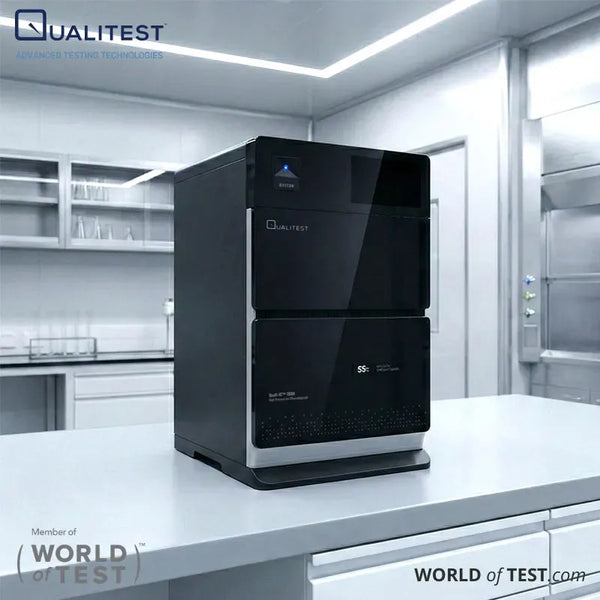
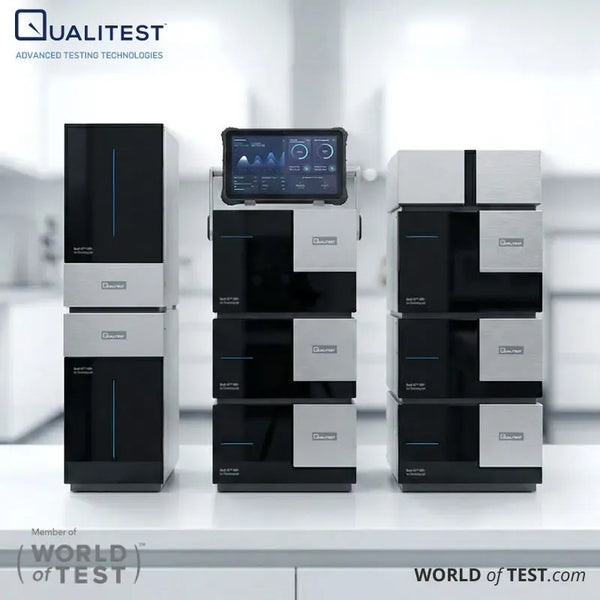
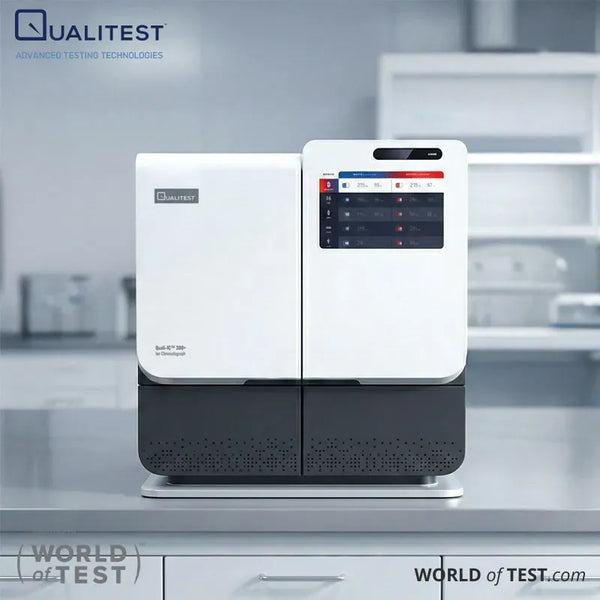
- Equipment Application: For high-stakes, high-volume lab environments, we specifically point users to our High Pressure Ion Chromatograph – Quali-IC™ 180H. It utilizes a massive 45 MPa (6600 psi) high-pressure pumping system and a built-in eluent generator (producing KOH or MSA from 0.1–100 mM) to guarantee your conductivity readings remain perfectly stable. If your facility requires processing high volumes of different ions at once, the Ion Chromatograph – Quali-IC™ 300+ offers a true dual-channel architecture for simultaneous anion and cation analysis, significantly cutting down your total processing hours.
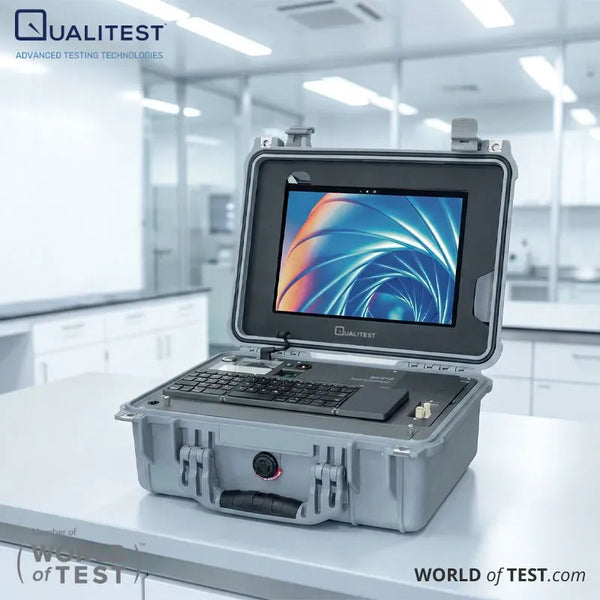
- Field Application: Sometimes you cannot bring the sample to the lab. For on-site testing, lugging a heavy desktop unit simply is not feasible. We developed the Portable Ion Chromatograph – Quali-IC™ 80 for this exact reason. Weighing less than 9 kg but still packing a 42 MPa dual-piston serial pump and a highly protective "Water-Electricity Separation" design, it allows field workers to pull lab-grade conductivity readings right at the source.
Suppressor Technology Selection
If you run a conductivity module, you are going to need a suppressor unit to quiet down the messy background noise.
- Chemical Suppressors require you to keep manually feeding them fresh chemical mixtures to keep them running (which becomes a continuous operational burden and adds up financially over time).
- Electrolytic Suppressors split up water molecules on their own to do the necessary work, meaning vastly less manual maintenance and noticeably better limits of detection.
Our opinion: Unless upfront capital is extremely tight, chemical suppressors are a constant operational hassle. Spend a tiny bit more upfront on an electrolytic model; the sheer convenience of not mixing messy chemicals every single day is completely worth every single dollar spent.
2. Amperometric Detection (AD)
These units track the electric current generated when a target chemical gets oxidized or reduced. This setup expands your testing capabilities far beyond simple conductivity limitations.
- When to select it: Some specific chemical compounds are completely invisible to standard conductivity methods. If you are running tests on sugars, food ingredients, or highly specific pharmaceutical materials, this electroactive setup is satisfyingly spot on.
- Equipment Application: To hit those incredibly low targets, the Ion Chromatograph – Quali-IC™ 200 (Efficient) features a highly sensitive electrochemical detector supporting DC, pulse, and scan modes. With an impressive potential range of -2.50 V to +2.50 V and a baseline noise level sitting strictly below 2 pA, this module provides the clinical precision required for complex pharmaceutical impurity profiling.
3. Optical Methods (UV/Vis and Fluorescence)
These optical units measure exactly how much light your liquid sample absorbs at highly specific wavelengths.
- When to select it: Use this when your samples are incredibly messy or contain things like transition metals. Furthermore, if the target lacks a strong conductivity response but can be chemically altered after passing the column, visible detection can seriously improve your ability to spot trace elements, sometimes dropping detection limits down to 0.023–2.0 µg/L.
- Equipment Application: The Ion Chromatograph – Quali-IC™ 500+ (Multi-functional) handles this flawlessly, providing a broad UV-Vis wavelength range from 190 to 740 nm to isolate those difficult optical targets, allowing you to hit ultra-trace detection limits down to <= 0.0001 µg/mL without breaking a sweat.
Our opinion: Too many testing facilities treat conductivity as the magic answer to absolutely everything. We firmly believe that if your samples are highly unpredictable, switching over to a highly selective UV/Vis or Fluorescence module will save you endless hours of struggling with messy, unreadable data.
4. Mass Spectrometry & Online Combustion (MS / ICP-MS)
When you are hunting down incredibly tiny amounts of a substance, mass spectrometry offers the absolute highest sensitivity and selectivity.
- When to select it: If the target chemical is present at exceptionally low levels, which is highly common for stateside environmental testing facilities tracking ultra-trace contaminants to satisfy federal US drinking water standards, MS-based detection tends to be heavily favored. However, you must carefully check how your sample behaves early on, because messy background liquids can severely degrade your overall accuracy and precision.
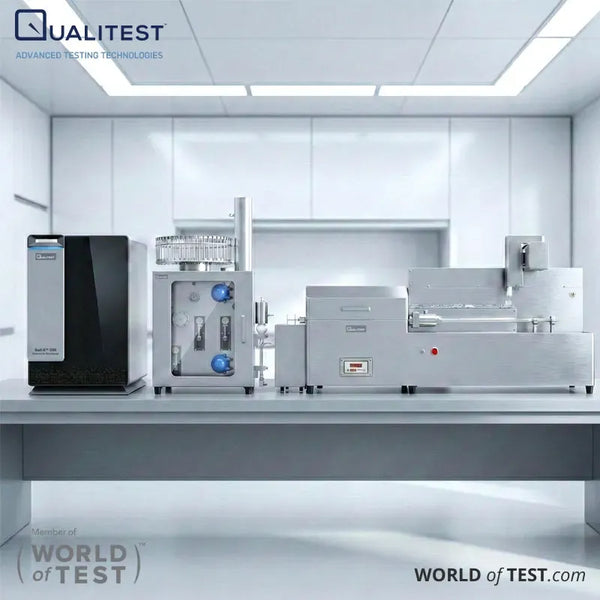
- Equipment Application: If your liquid samples are incredibly difficult to process (such as heavy petrochemicals or solid plastics), you might need automated combustion before detection. Our Combustion Ion Chromatograph – Quali-IC™ 3200 (Online) utilizes a multi-zone gradient furnace reaching up to 1200 °C, complete with a 50-position boat injection autosampler, to safely break down those aggressive samples before they ever reach the detector module.
Digital Management and Software
Let us be highly realistic: an amazing piece of hardware is totally useless if the computer software driving it renders the machine practically unusable. When you are looking into how to choose ic detector setups, look incredibly hard at the computer interface. You need a digital system that communicates nicely with your laboratory information management networks.
For major pharmaceutical manufacturing hubs operating in places like New Jersey or Boston, maintaining strict FDA 21 CFR Part 11 software compliance is absolutely essential to surviving unannounced federal agency audits. We are talking about secure digital signatures, crystal clear audit trails, and automatic data logging.
It is our firm opinion that software usability is the most painfully overlooked bottleneck in the testing laboratory. If the computer program is a massive nightmare to operate, your incredibly expensive brand-new detection module is just going to sit there gathering completely useless dust.
Long-Term Ownership Costs
If you are the specific person signing the purchasing checks, you absolutely need to look past the initial upfront sticker price. We have always strongly maintained that investing in cheap equipment with incredibly high failure rates is a costly financial trap. True long-term cost-effectiveness is properly measured over years of continuous operation, not on the day you place the purchase order.
Ask yourself these highly practical questions: How long do the internal parts actually last? Do you have to pay an absolute fortune for replacement optical lamps? Is the physical system modular, so you can swap out a broken part yourself without waiting multiple weeks for an incredibly expensive repair technician?
A high-quality module should be built with chemically inert PEEK internal tubing (meaning it confidently stands up to highly harsh pH levels without rusting) to keep your future repair bills impressively close to zero.
Qualitest Analytical Solutions
At Qualitest, we believe that obtaining top-tier results should never require you to empty your company bank account.
We have spent years designing cost-effective, high-performing instruments that deliver exceptional analytical capability without the premium price tag. Operating as a North American supplier, we eliminate international transit delays while offering highly accessible, stateside customer support.
Check out our budget-friendly, highly reliable testing options on our Ion Chromatograph collection page today to get your testing facility running exactly as it should.
References (Click to expand)
- Binghui, Z., Zhixiong, Z., & Jing, Y. (2006). Ion chromatographic determination of trace iodate, chlorite, chlorate, bromide, bromate and nitrite in drinking water using suppressed conductivity detection and visible detection. Journal of Chromatography A, 1118(1), 106-110.
- Buchberger, W. (2001). Detection techniques in ion chromatography of inorganic ions. Trends in Analytical Chemistry, 20, 296-303.
- Buchberger, W. (2000). Detection techniques in ion analysis: what are our choices? Journal of Chromatography A, 884(1-2), 3-22.
- Buchberger, W., & Haddad, P. (1997). Advances in detection techniques for ion chromatography. Journal of Chromatography A, 789, 67-83.
- Haddad, P., & Jandík, P. (2016). Detection methods for ion chromatography.
- Handini, A. L., Husni, P., & Frinda, I. A. C. (2025). Comparative Study of HPLC Detectors in PT. FIP: A Review. Calory Journal Medical Laboratory Journal.
- Korch, K. M., Hayes, J. C., Kim, R. S., Sampson, J., Kelly, A. T., & Watson, D. (2022). Selected Ion Monitoring Using Low-Cost Mass Spectrum Detectors Provides a Rapid, General, and Accurate Method for Enantiomeric Excess Determination in High-Throughput Experimentation. ACS Catalysis, 12, 6737-6745.
- Matuszewski, B., Constanzer, M., & Cm, C. (2003). Strategies for the assessment of matrix effect in quantitative bioanalytical methods based on HPLC-MS/MS. Analytical Chemistry, 75(13), 3019-3030.
- Moura, A. V., Da Silva, J. S. D., & Gubert, P. (2022). Ion Chromatography: Principles and instrumentation. Orbital: The Electronic Journal of Chemistry.
- Muhammad, N., Zia-ul-Haq, M., Ali, A., Naeem, S., Intisar, A., Han, D., Cui, H., Zhu, Y., Zhong, J., Rahman, A., & Wei, B. (2021). Ion chromatography coupled with fluorescence/UV detector: A comprehensive review of its applications in pesticides and pharmaceutical drug analysis. Arabian Journal of Chemistry, 14, 102972.
- Otto, S., May, B., & Schweiggert, R. (2022). Comparison of Ion Chromatography Conductivity Detection (IC-CD) and Ion Chromatography Inductively Coupled Plasma Mass Spectrometry (IC-ICP-MS) for the Determination of Phosphonic Acid in Grapevine Plant Parts, Wine, and Soil. Journal of Agricultural and Food Chemistry.
- Rocklin, R. (1991). Detection in ion chromatography. Journal of Chromatography A, 546, 175-187.
- Schminke, G., & Seubert, A. (2000). Comparison of ion chromatographic methods based on conductivity detection, post-column-reaction and on-line-coupling IC-ICP-MS for the determination of bromate. Fresenius' Journal of Analytical Chemistry, 366, 387-391.
- Trufelli, H., Palma, P., Famiglini, G., & Cappiello, A. (2011). An overview of matrix effects in liquid chromatography-mass spectrometry. Mass Spectrometry Reviews, 30(3), 491-509.
- Warren, C. G., & Daspurta, P. (2024). Liquid phase detection in the miniature scale. Microfluidic and capillary scale measurement and separation systems. A tutorial review. Analytica Chimica Acta, 1305, 342507.
- Zhang, R. (2023). Probing Liquid Chromatography–Tandem Mass Spectrometry Response Dynamics and Nonlinear Effects for Response Level Defined Calibration Strategies with Simple Methods To Expand Linear Dynamic Ranges. ACS Omega, 9, 607-617.