| الميزات التي يجب مراعاتها | زينون مُبرّد بالهواء | زينون مُبرّد بالماء |
|---|---|---|
| طريقة إدارة الحرارة | مراوح داخلية لتدوير الهواء. | نظام مغلق لتنقية المياه. |
| البنية التحتية المطلوبة | مأخذ كهربائي قياسي. | مأخذ كهربائي بالإضافة إلى وحدة تنقية المياه. |
| نموذج التكوين | عادةً ما يكون صينية مسطحة، مثالية للطباعة ثلاثية الأبعاد أجسام. | عادةً ما تكون أسطوانة دوارة للشاشات المسطحة. |
| العمر الافتراضي النموذجي للمصباح | حوالي 1500 ساعة. | بين 1200 و2000 ساعة. |
| التكلفة التشغيلية | منخفضة نظرًا لقلة المواد الاستهلاكية. | متوسطة، مع تكاليف متكررة للفلاتر/الراتنج. |
| معايير الصناعة الرئيسية | ISO 4892-2، ASTM G155 | SAE J2527، SAE J2412، ASTM G155 |
الفرق الجوهري: كيفية إدارة الحرارة
يكمن الفرق الأساسي بين مصابيح الزينون المبردة بالماء وتلك المبردة بالهواء في كيفية إدارتها للكم الهائل من الضوء والحرارة المنبعثة من المصباح. فإذا لم تتم إدارة هذه الطاقة الحرارية بكفاءة، فإن استقرار ودقة الاختبار سيتأثران سلبًا.
مصابيح الزينون المبردة بالهواء
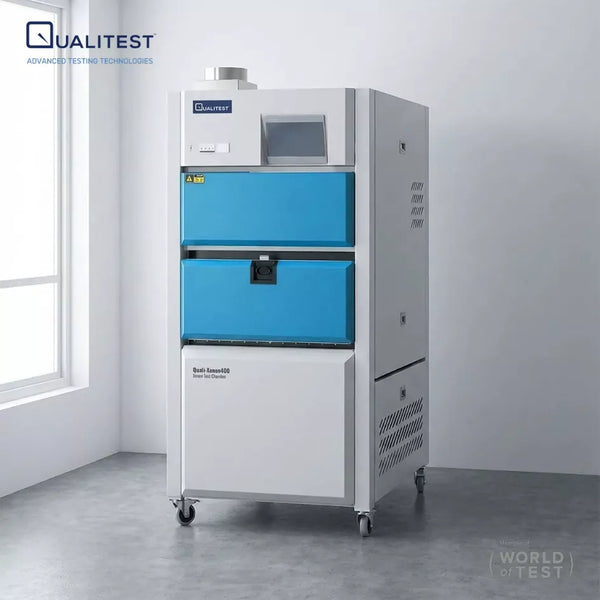
تعمل هذه الأنظمة وفق مبدأ بسيط وفعال. حيث تقوم سلسلة من المراوح الداخلية بتدوير الهواء المحيط فوق مجموعة المصباح لتبديد الحرارة. ولا توجد أنابيب خارجية أو خطوط مياه في هذه العملية.
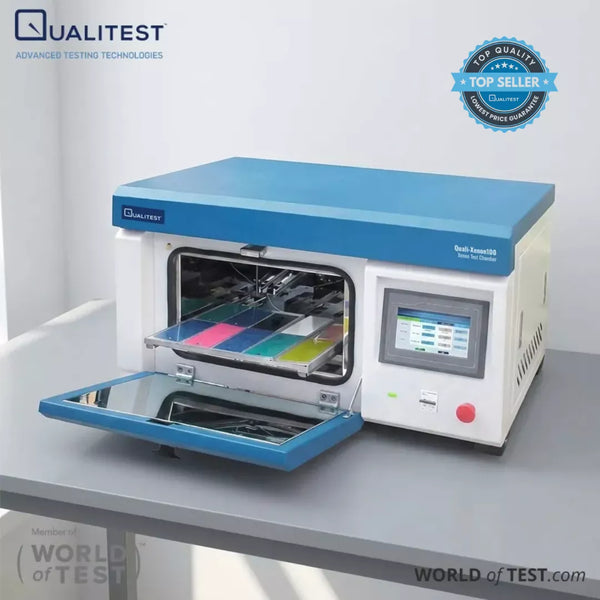
يزيل هذا طبقة من التعقيد التشغيلي. نعتبر الوحدات المدمجة مثل جهاز اختبار Quali-Xenon100 المكتبي (https://qualitest.us/products/quali-xenon100-benchtop-xenon-test-chamber) أو جهاز Quali-Xenon200 الأكبر حجمًا والقائمة على الأرض (https://qualitest.us/products/quali-xenon200-xenon-weathering-test-chamber) بمثابة أدوات عمل موثوقة للمختبرات التي تُقدّر الاختبارات البسيطة والقابلة للتكرار. يُعد هذا الإعداد مفيدًا بشكل خاص إذا كانت اختباراتك تتضمن أجسامًا ثلاثية الأبعاد. وجدنا أن المختبرات التي تختبر المنتجات النهائية، مثل المشروبات في الزجاجات أو الأحذية أو أغلفة الأجهزة الإلكترونية، تُفضّل تصميم الصينية المسطحة لأنه ببساطة يتم وضع العنصر بداخلها. هذا مستحيل مع الأسطوانة الدوارة.مصابيح زينون مبردة بالماء
يستخدم هذا النوع طريقة أكثر تعقيدًا، حيث يتم تدوير ماء عالي النقاء عبر غلاف يحيط بالمصباح. تشير الأبحاث إلى أن هذا التصميم يوفر تركيبًا متينًا وموثوقًا مع أداء توصيل حراري مستقر.
تُعد كفاءة التبريد هذه مفيدة بشكل خاص في التطبيقات عالية الطاقة، مثل أجهزة محاكاة الطاقة الشمسية، حيث تُعد إدارة تبديد الحرارة أمرًا بالغ الأهمية.
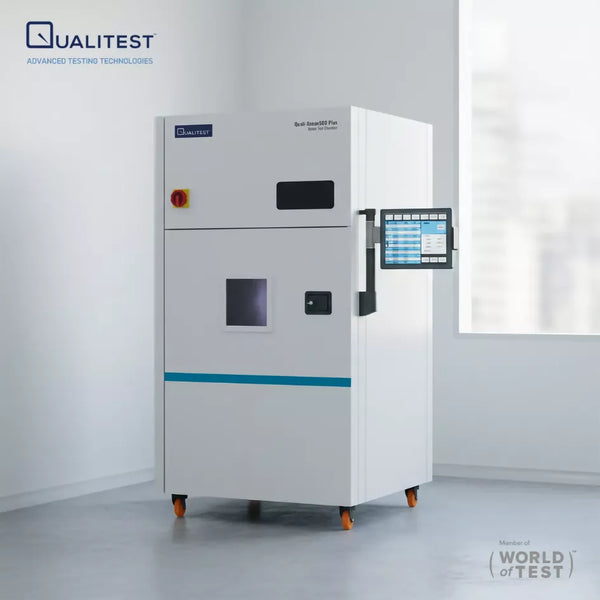
هذا هو الحل الأمثل للخدمة الشاقة الموجود في Quali-Xenon500-Plus. وهو مصمم للمختبرات ذات الإنتاجية العالية التي تُجري اختبارات مستمرة بأقصى شدة إشعاع. بالإضافة إلى ذلك، تسمح كفاءة التبريد المحسّنة باستخدام مصابيح أصغر حجمًا من خلال إلغاء بعض آليات الصابورة. إذا كانت إنتاجيتك تقتصر على ألواح الطلاء القياسية أو عينات النسيج التي يمكن تركيبها على رف، فإن هذا النظام يزيد من عدد العينات التي يمكنك تعريضها في وقت واحد. العامل المُغفل: البنية التحتية لمنشأتك لا يمكننا التأكيد بما فيه الكفاية على ضرورة تقييم المرافق الحالية في مختبرك. غالبًا ما يكون هذا هو العامل الحاسم في اختيار مصابيح الزينون المبردة بالهواء أو المبردة بالماء. متطلبات أنظمة التبريد بالماء تتطلب هذه الأجهزة إمدادًا مستمرًا من الماء عالي النقاء ومنزوع الأيونات. إذا انحرفت جودة الماء، فإنك تخاطر بتراكم الترسبات على المصباح. يمكن أن يؤدي ذلك إلى تغيير ناتج الطيف الضوئي وإبطال النتائج.
إذا لم يكن لدى منشأتك نظام مركزي لتنقية المياه، فسيتعين عليك مراعاة تكلفة ومساحة وصيانة وحدة منفصلة لدعم جهاز مثل Quali-Xenon500.
بساطة أنظمة التبريد الهوائي
ما عليك سوى توصيله بمأخذ حائط قياسي. إذا كان مختبرك مزودًا بنظام تحكم في المناخ، فإن طرازًا مثل Quali-Xenon100 جاهز لبدء الاختبار فورًا. نعتبر هذا الخيار العملي للمختبرات التي تفضل التركيز على النتائج بدلًا من إدارة المعدات المساعدة.
تلبية معايير الصناعة الرئيسية
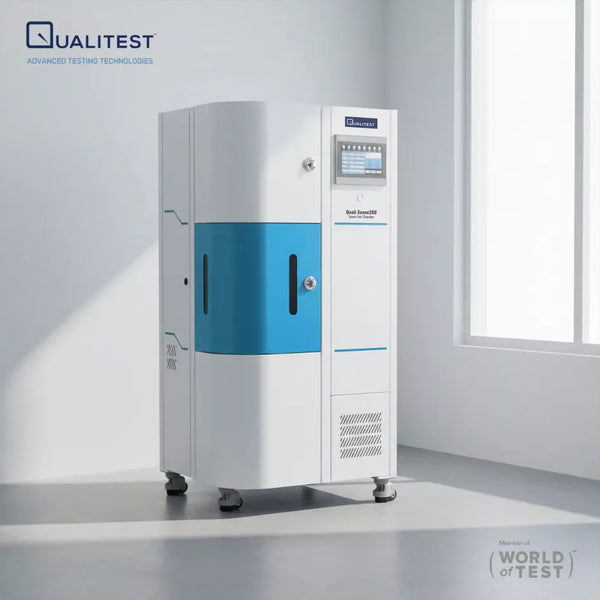
هناك اعتقاد سائد منذ زمن طويل بأن أنظمة التبريد المائي فقط هي التي يمكنها تلبية معايير رسمية معينة. نؤكد هنا أنه في معظم التطبيقات، لا يتعلق اختيار مصابيح الزينون المبردة بالماء أو المبردة بالهواء بقدرة الأداء بقدر ما يتعلق بالمتطلبات المحددة. أظهرت الدراسات التي قارنت بين مصابيح الزينون المبردة بالهواء والمبردة بالماء، وتحديدًا في اختبارات ثبات اللون وفقًا لمعايير AATCC، أن كلا النوعين يُنتج نتائج متكافئة. تسمح التكنولوجيا الحديثة لكلا النظامين بتلبية المعايير الدولية الرئيسية، بما في ذلك: ASTM G155: الممارسة القياسية لتشغيل معدات قوس الزينون. ISO 4892-2: الطريقة الأساسية لاختبار ثبات لون البلاستيك. على سبيل المثال، سيجد مصنع نسيج يختبر ثبات لون الأقمشة عادةً أن وحدة التبريد بالهواء تُناسب احتياجاته تمامًا. في المقابل، غالبًا ما يلتزم موردو السيارات من المستوى الأول الذين يتحققون من متانة الطلاء الخارجي ببروتوكولات التبريد المائي المحددة في معيار SAE J2527. بينما كانت بعض المعايير تستخدم تقليديًا رفوفًا دوارة، فإن جهاز Quali-Xenon300 يسد هذه الفجوة من خلال توفير نظام أسطوانة دوارة في حزمة تبريد هوائي.
ما لم يشترط العميل أو معيار محدد للسيارات استخدام جهاز تبريد مائي عالي القدرة، فمن المرجح أن تجد أن نموذج التبريد الهوائي ذو التكلفة المعقولة متوافق تمامًا وكافٍ.
لنتحدث عن جودة الإضاءة: هل هناك فرق؟
من النقاط الأخرى التي تثير اللبس في النقاش الدائر حول مصابيح الزينون المبردة بالهواء مقابل المبردة بالماء، هو ما إذا كان أحد النظامين ينتج جودة "أفضل" لضوء الشمس المُحاكى. والإجابة هي لا.
من المهم فهم أن فيزياء تفريغ قوس الزينون متطابقة في كلا النظامين؛ فالغاز يتوهج بنفس الطريقة.
يكمن الفرق الحقيقي في كيفية ترشيح الأشعة تحت الحمراء غير المرغوب فيها (الحرارة). تعتمد المصابيح المبردة بالماء على الماء المتداول وفلاتر الزجاج الأسطوانية لامتصاص هذه الحرارة.
تحقق المصابيح المبردة بالهواء نفس النتيجة باستخدام مرشحات بصرية مسطحة متخصصة. عند تركيبها مع المرشحات المناسبة (مثل مرشح ضوء النهار أو مرشح زجاج النوافذ)، ينتج كلا النظامين توزيعًا طيفيًا للطاقة يتوافق مع متطلبات معايير ISO و ASTM. طالما أن مستويات الإشعاع متطابقة، تُظهر الأبحاث أن الوحدات المبردة بالهواء يمكنها تقديم نتائج ثبات اللون للضوء مكافئة لنظيراتها المبردة بالماء. يكمن الاختلاف ببساطة في التصميم الهندسي - سطح مستوٍ مقابل أسطوانة دوارة - وليس في جودة طيف الضوء نفسه. إذن، ما هو الحل الأنسب لعملياتك؟ في كواليتيست، هدفنا هو مساعدتك في اختيار الجهاز الأمثل الذي يتناسب مع حجم عملك وميزانيتك. إذا كان مختبرك بحاجة إلى جهاز اختبار موثوق وفعال من حيث التكلفة ولا يتطلب بنية تحتية خاصة، فنحن نعتقد أن طرازاتنا المبردة بالهواء - بدءًا من جهاز Quali-Xenon100 المكتبي وصولًا إلى جهاز Quali-Xenon300 ذي الرف الدوار - هي الخيار الأمثل. أما إذا كان عملك يخضع لمعايير السيارات القديمة أو كنت بحاجة إلى زيادة إنتاجية الألواح المسطحة إلى أقصى حد، فإن جهاز Quali-Xenon500-Plus سيوفر لك الأداء العالي الذي تحتاجه. كواليتيست: شريكك في اختبار الزينون يعتمد هذا القرار على منشأتك وميزانيتك و المعايير المحددة التي يجب عليك اتباعها. في حين أن أنظمة التبريد المائي تُفضّل للعمليات عالية الكثافة، فإن وحدة التبريد الهوائي الأبسط كافية وأكثر فعالية من حيث التكلفة لمعظم الاختبارات القياسية. يجب أن يكون الاختيار بين مصابيح زينون المبردة بالماء أو المبردة بالهواء اختيارًا عمليًا واقتصاديًا، وليس مجرد خيار تقني افتراضي. هل أنت مستعد لتحسين قدراتك في اختبارات التجوية؟ استكشف مجموعتنا الكاملة من غرف الاختبار البيئية الفعالة من حيث التكلفة هنا، أو تواصل معنا اليوم لمناقشة تطبيقك المحدد. المراجع: مينغ، ي. (2009). اختبار ثبات اللون وفقًا لمعايير AATCC باستخدام مصباح زينون قوسي مبرد بالهواء.