Seu laboratório está ficando sem espaço físico ou está ficando sem capacidade de teste?
Para os gerentes de Controle de Qualidade, a decisão geralmente se resume a duas categorias distintas. Compreender as nuances de uma câmara ambiental de bancada versus uma câmara de entrada é fundamental para otimizar seu fluxo de trabalho.
Na Qualitest, ajudamos você a filtrar as opções para encontrar a solução que realmente se alinha aos seus objetivos operacionais.
Principais Conclusões
- Excelência em Bancada: Unidades compactas são a escolha mais eficiente para equipes ágeis de P&D e para testes de pequenos componentes em locais com espaço limitado.
- Escala vs. Custo: Câmaras de entrada oferecem a maior produtividade para lotes ou veículos grandes, mas exigem atualizações significativas de infraestrutura e orçamento.
- O Meio-Termo Inteligente: Câmaras de chão "Reach-In" preenchem a lacuna, oferecendo alta capacidade e potência sem os requisitos de construção pesada de uma câmara de entrada.
- Fatores de Decisão:Sua escolha deve depender principalmente do seu volume diário de testes, do tamanho físico de suas amostras e de sua capacidades de energia da instalação.
- Vantagem Qualitest: Nos concentramos em soluções de bancada e de alcance com excelente custo-benefício que atendem a padrões globais como ASTM e ISO, todas controladas por interfaces intuitivas de tela sensível ao toque.
O Caso das Câmaras Ambientais de Bancada
Vamos ser diretos. Essas unidades de bancada são as verdadeiras ferramentas de trabalho para muitos laboratórios. Como o nome indica, essas câmaras compactas ficam diretamente na sua bancada e são construídas para uso confiável no dia a dia.
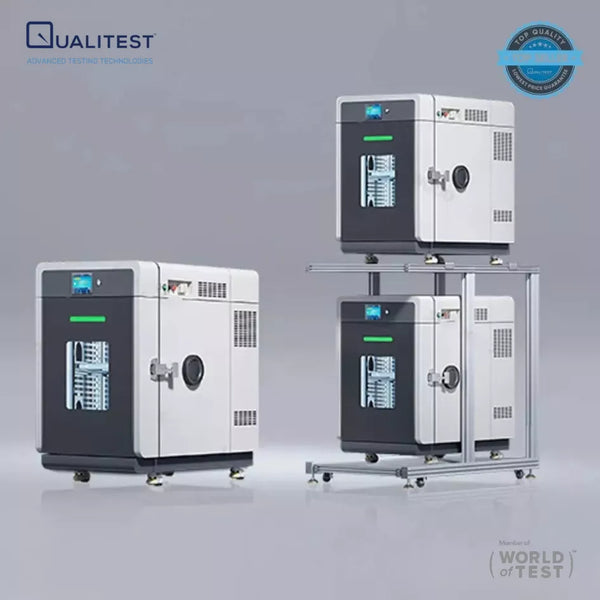
Um excelente exemplo é a nossa Câmara de Umidade Ambiental de Bancada Quali22L, que oferece controle climático preciso em um formato compacto o suficiente para ficar ao lado do seu monitor. São as soluções ideais para os setores de eletrônica, farmacêutico e de fabricação de pequenos componentes.
Precisão em um design compacto
Se sua instalação tem pouco espaço, uma unidade de bancada é uma escolha muito prática. Ela oferece uma configuração "plug-and-play" que permite o uso imediato sem a necessidade de grandes alterações nas instalações.
Nossa perspectiva: Descobrimos que organizações maiores às vezes negligenciam as unidades de bancada, presumindo que uma máquina maior seja sempre melhor.
Em nossa experiência, para equipes ágeis de P&D, o aumento de produtividade de ter uma unidade como a Quali22L ao alcance das mãos geralmente é mais valioso do que uma unidade de alta capacidade localizada do outro lado da instalação.
Aplicações ideais
- Testes eletrônicos: Perfeito para validar PCBs menores, sensores e dispositivos móveis. Por exemplo, verificar a resistência térmica de um rastreador de fitness vestível antes da produção em massa.
- Pesquisa Médica e Biológica: Essencial para garantir a confiabilidade de ferramentas ou amostras críticas. A estabilidade da umidade é particularmente importante aqui. Como observado por Holmes e Swain (2018), condições secas podem comprometer a integridade da amostra em ambientes de pequena escala, como causar evaporação do meio em incubadoras de FIV.
- Prototipagem de P&D: A configuração ideal para ciclos térmicos rápidos de projetos em estágio inicial.
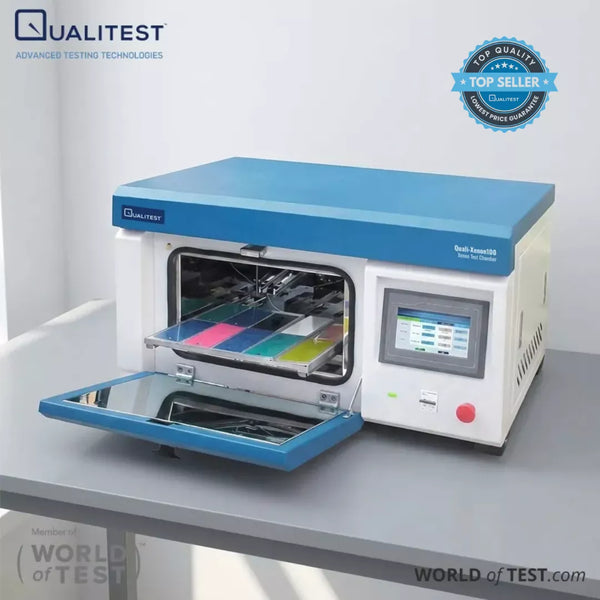
- Componentes Ópticos: Essencial para verificar se as lentes da câmera ou os lasers não se degradam. Para testes de resistência à luz em materiais menores, unidades como a Câmara de Teste de Xenônio de Bancada Quali-Xenon100 são padrões da indústria.
- Estabilidade Farmacêutica: Excelente para testar pequenos lotes de medicamentos em condições controladas.
Ao comparar uma câmara ambiental de bancada com uma câmara ambiental walk-in, lembre-se de que o modelo de bancada é muito eficiente em termos de energia. Como condicionam um volume menor de ar, geralmente conseguem atingir mudanças de temperatura mais rapidamente. Consideramos esta a opção mais econômica para testes rápidos, onde o alto volume de processamento não é a principal prioridade.
A Potência das Câmaras Ambientais Walk-In
Agora, para as soluções em grande escala. As câmaras ambientais walk-in são projetadas para situações em que o tamanho é um fator chave. Estamos falando de salas projetadas para acomodar equipamentos enormes, veículos ou grandes quantidades de produtos menores de uma só vez.
Capacidade em Grande Escala
A principal vantagem aqui é o volume puro. Essas unidades permitem que os engenheiros entrem fisicamente no espaço para inspecionar os itens durante um teste (seguindo todos os protocolos de segurança, é claro). Este é um recurso crítico para indústrias onde o objeto de teste é muito grande para um recinto padrão.
Aplicações Ideais
- Construção e Materiais de Construção: Pesquisas de Palani e Karatas (2023) destacam que as câmaras de entrada são frequentemente utilizadas para testar envoltórios de edifícios sob condições climáticas extremas, pois fornecem o controle de temperatura em estado estacionário necessário para uma avaliação de desempenho precisa.
- Automotivo e Aeroespacial: Teste de painéis de carroceria completos ou motores. Os laboratórios costumam usar essas salas para congelar todo o mecanismo da porta de um carro para verificar falhas de travamento em temperaturas abaixo de zero.
- Telecomunicações: Testar racks de servidores completos para garantir que possam manter o tempo de atividade.
- Testes em lote: Validar centenas de bens de consumo simultaneamente para precisão estatística.
- Baterias de veículos elétricos: Simular condições extremas de estrada e choque térmico para grandes conjuntos de baterias de veículos elétricos.
- Grandes eletrodomésticos: Submeter refrigeradores ou painéis solares a condições extremas.
Na comparação direta entre soluções de câmaras ambientais de entrada e de bancada, a câmara de entrada vence em produtividade. Do nosso ponto de vista, embora o investimento inicial seja maior, a capacidade de testar um lote de produção inteiro em um único ciclo oferece uma vantagem estratégica para operações de fabricação em larga escala.
Uma bancada é muito limitada? Considere uma câmara frigorífica vertical de chão
Às vezes, uma bancada não oferece capacidade suficiente, mas uma câmara frigorífica grande é um exagero (e ultrapassa o orçamento). Nossas câmaras frigoríficas verticais de chão são a solução perfeita para esse meio-termo.
Nossa recomendação: costumamos sugerir que os clientes não passem diretamente de uma bancada para uma câmara frigorífica grande sem antes avaliar essa opção. Modelos de alto desempenho como o Quali-Xenon200, a Série HAST (Teste de Estresse Altamente Acelerado), ou nossas maiores Câmaras de Teste de Corrosão Cíclica Programáveis da Série QCCT preenchem essa lacuna perfeitamente.
Acreditamos que o modelo Reach-In é uma categoria altamente prática e frequentemente negligenciada. Ela oferece um volume interno significativo — suficiente para grandes lotes ou componentes maiores — e geralmente possui sistemas poderosos para testes rigorosos, tudo isso sem os requisitos de construção de uma câmara de grande porte.
Se suas demandas de teste estão crescendo, mas o espaço disponível ainda é limitado, este costuma ser o investimento mais inteligente.
Câmara Ambiental de Bancada vs. Câmara de Grande Porte: Os Fatores Decisivos
Vamos nos concentrar nos pontos que guiarão sua decisão.
1. Espaço e Infraestrutura
Uma unidade de bancada precisa apenas de uma mesa sólida e uma fonte de energia padrão. Uma câmara de grande porte, por outro lado, é um projeto de infraestrutura. Ela precisa de espaço dedicado, conexões de energia especializadas e, potencialmente, tubulações de água.
Recomendamos fortemente que você avalie a infraestrutura do seu prédio antes de avançar muito no processo de seleção, já que as atualizações da infraestrutura podem representar uma grande despesa.
2. Volume de Teste
Se o seu fluxo de trabalho diário envolve milhares de peças pequenas, uma câmara de teste walk-in pode ser muito mais eficiente. Mas se você estiver testando protótipos individuais, uma câmara de bancada oferece uma agilidade que uma sala grande não consegue igualar.
Para colocar em perspectiva, se uma instalação precisa examinar 500 sensores por dia para garantia de qualidade, uma unidade de grande escala é o caminho lógico. Por outro lado, para um engenheiro que analisa o ponto de falha de uma única placa de circuito protótipo, um Quali22L compacto oferece o foco e a velocidade necessários.
Resumo Rápido: Câmara de Entrada vs. Câmara de Bancada
| Recurso | Câmara de Bancada | Câmara de Entrada |
|---|---|---|
| Uso Principal | P&D, Componentes Pequenos, PCBs | Peças Grandes, Veículos, Lotes a Granel |
| Tamanho Ocupado | Mínimo (Cabe em uma bancada) | Grande (Requer um espaço dedicado) | sala)
| Instalação | Plug-and-Play (Energia padrão) | Instalação profissional (HVAC/Alta tensão) |
| Custo | Baixo a médio | Alto investimento |
| Flexibilidade | Portátil / Fácil de realocar | Permanente / Modular |
Controle sem complicações
Seja qual for a sua escolha, uma câmara de bancada compacta ou uma unidade maior de acesso, a qualidade de uma câmara depende do seu sistema de controle. Na Qualitest, acreditamos que uma interface confusa pode levar a erros do usuário. É por isso que nossas câmaras possuem controladores de tela sensível ao toque intuitivos e programáveis, feitos para o usuário profissional.
- Monitoramento Remoto: Verifique os ciclos de teste do seu escritório sem precisar ficar no laboratório.
- Registro de Dados: Exporte facilmente os registros de temperatura e umidade para fins de conformidade e relatórios internos.
- Ciclos Programáveis: Defina perfis de teste complexos sem uma curva de aprendizado acentuada, garantindo que seus testes sejam repetíveis sempre.
Por que escolher a Qualitest?
Sabemos que dados imprecisos podem prejudicar a reputação de uma marca. É por isso que nossas câmaras ambientais são construídas para atender e superar os padrões globais de teste, como ASTM, ISO e DIN.
Acreditamos que equipamentos de teste de alta qualidade também devem ser uma decisão financeira sólida. Seja qual for a sua necessidade — a precisão compacta do nosso Quali22L, a resistência às intempéries da Série Quali-Xenon ou os testes de corrosão agressivos da nossa Série QPSST —, nosso foco é oferecer excelente custo-benefício.
Não vendemos apenas equipamentos; garantimos que seus produtos resistirão às condições para as quais foram projetados.
Pronto para aprimorar suas capacidades de teste?
Escolher entre uma câmara ambiental de bancada e uma de entrada não precisa ser uma decisão difícil. Seja para economizar espaço ou aumentar a produtividade, temos uma solução que se adapta ao seu orçamento e às suas necessidades técnicas.
Explore hoje mesmo nossa linha completa de câmaras de teste ambiental com excelente custo-benefício e encontre a solução ideal para o seu laboratório.
Veja nossa coleção de câmaras ambientais
Referências
- Holmes, R., & Swain, J. (2018). Umidificação de uma incubadora de bancada seca para FIV: impacto nos parâmetros do meio de cultura. Fertility and Sterility.
- Palani, H., & Karatas, A. (2023). Construção inovadora de câmaras ambientais para avaliação precisa do desempenho térmico de envoltórios de edifícios em climas variados. Buildings.